Samantha Esparza-Baker
Technical Designer & Programmer
A collection of architecture, data structures, and design pattern demo projects and games showcasing player mechanics, AI behaviors, encounters, and animation integration in Unity and Unreal Engine.
Game Projects
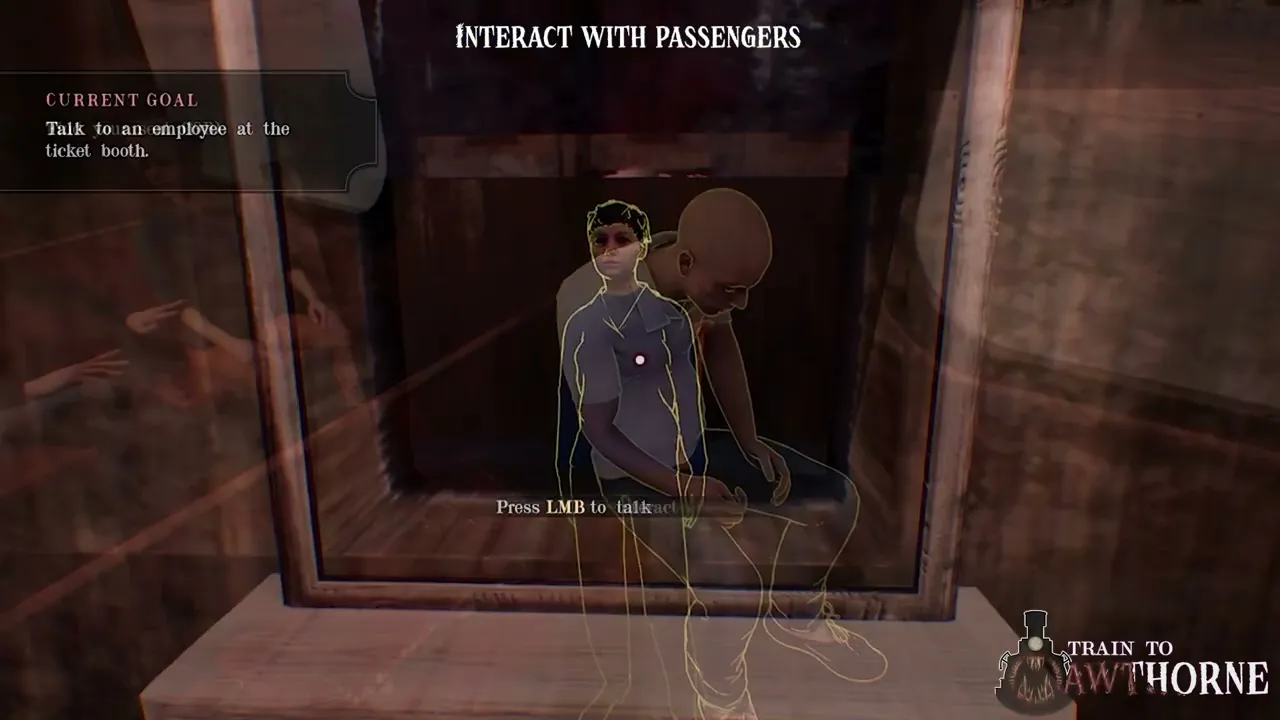
Train to Mawthorne
Unreal 5 | Capstone 2026 | Project Manager & Gameplay Programmer
A biomechanical survival horror game where a passenger train has become a host for a parasite that feeds on its passengers flesh and emotional turmoil. Playing as Lillie, a grief-stricken woman trying to return home after her sister’s septic death, the player must discover how the parasite spread, and figure out how to kill the train.
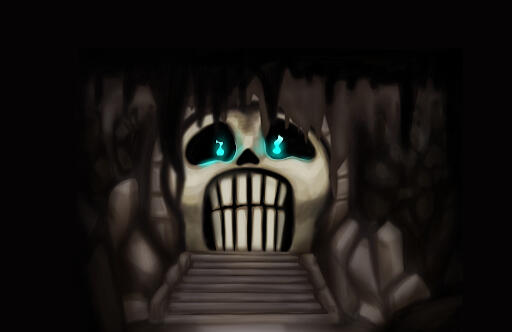
Vault Raiders
Board Game | 3-4 Players | 2024 | Solo Designer
After a famous treasure hunter reveals the location of a mysterious treasure underneath a mountain, you gather up your courage and embark on a journey. In order to receive this treasure you must explore the caves beneath the mountain to find vaults and keys. However, there are fellow adventurers and strange monsters who you must fight against. Obtain the most treasure and go down in history as the greatest treasure hunter of all time.
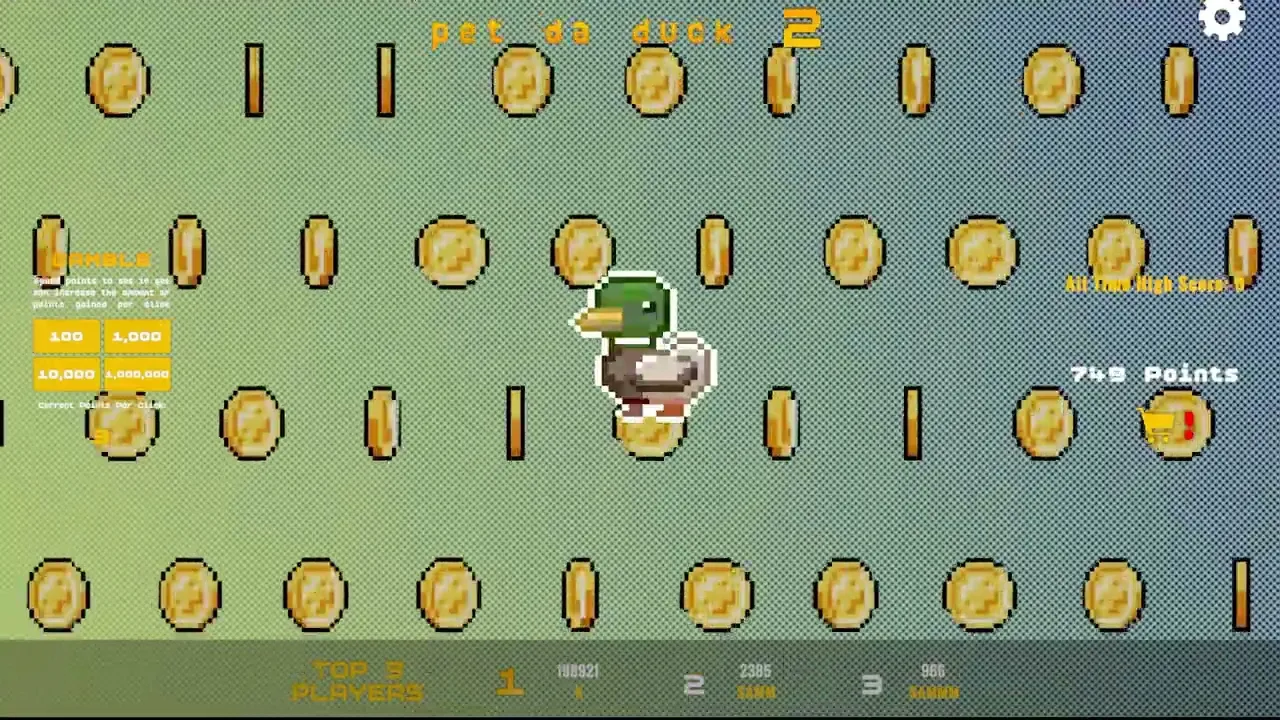
Pet Da Duck 2
Unity 2D | Clicker Game 2026 | Solo Developer
2D clicker game in Unity supported by a Laravel and AWS backend to handle persistent player data and online functionality. Using a leaderboard database that tracks player usernames and high scores, creating a competitive progression system with persistent rankings. Login and registration systems that allow players to create accounts, return to existing saves, or start fresh with new progress depending on their playstyle.Save and load functionality that preserves player progress between sessions through periodic auto-saving and saving on game exit. To support this, I developed web request systems that sync player data between Unity and the Laravel backend, including score, high score, selected sprite, and score increase values.
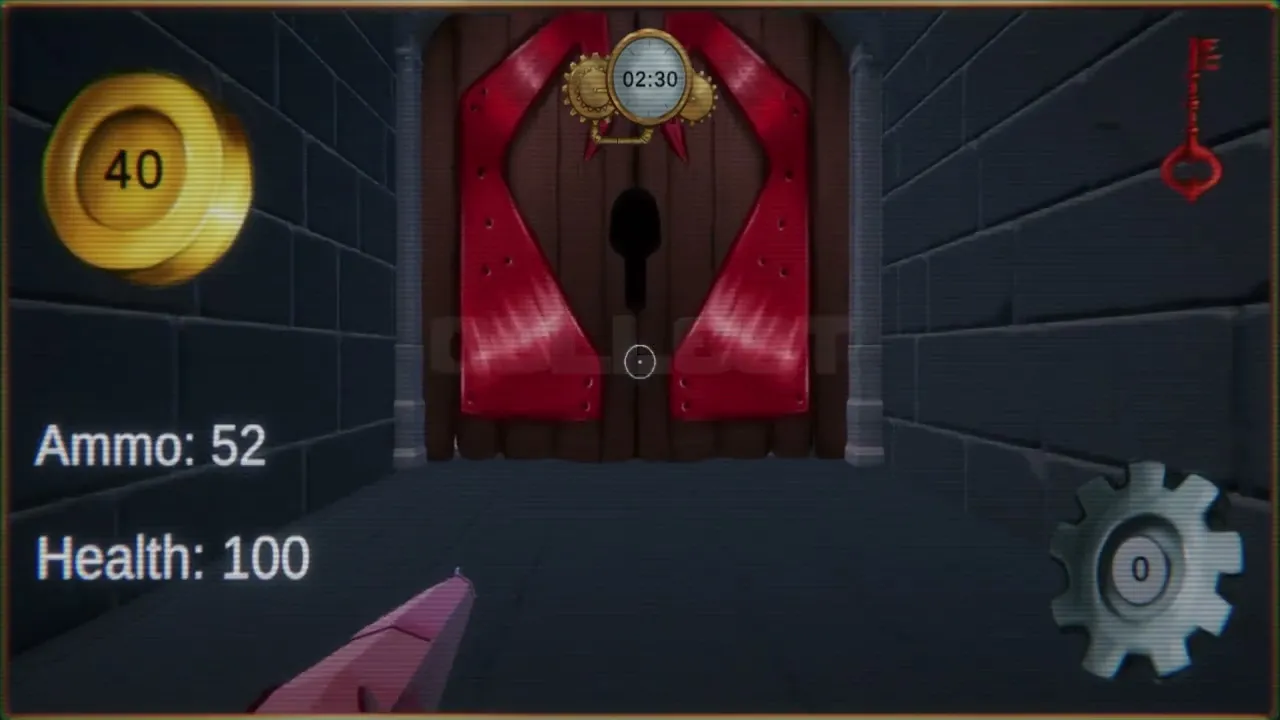
Time Wound
Unity 3D | Multiplayer Couch Co-op 2024 | Solo Developer
4 player co-op game where players navigate a dungeon, solve puzzles, and open vaults to collect as many coins and gears they can under a time restraint. Gears are used to add time to the clock in the central room. Players must all escape the tunnels before time inevitably runs out with as much money possible.
Small Projects

Procedural Generation
Unity 3D
Procedural dungeon generation system in Unity spawning modular prefab rooms and hallways based on adjustable spawn probability and layout rules.
Spatial Partition
Unity 3D
Implemented a spatial partitioning system to optimize object queries by organizing entities based on their positions. Reference Erik Nordeus, the system enables enemies to efficiently locate and engage the nearest player in real time.
Ultra Simple State Machine
Unity 3D
A finite state machine (FSM) demo in Unity using interfaces to manage player movement states; standing, ducking, jumping, and diving, following the approach outlined by Nystrom's State Machines
- This system is modular and easily scalable
CONTACT

About Me
B.A. in Simulation Science, Games, and Animation
Minor in Computer Science
Embry-Riddle Aeronautical UniversityCurrent Project: Project Manager and Gameplay Programmer for unannounced survival horror game.Currently Learning: PHP/MySQL for game backend services using Laravel and AWS. (see PetDaDuck2 on my github) and crochet.
Software Proficiencies
Game Engines & Programming
Unity
Unreal Engine 5
Unreal Blueprints
Unity C#
C++
PythonTools & Communication
Microsoft Suite
Git/Github
Diversion
Perforce
SlackArt & Design
Maya
Adobe Suite
Photoshop
Premiere Pro
After Effects
Substance Painter
Zbrush
Houdini